Our Innovative

Farming Models

At Grainalchemy, we believe there’s no one-size-fits-all solution to sustainable farming. That’s why we embrace multiple cutting-edge cultivation models—each designed for efficiency, sustainability, and superior produce quality.

Conventional Farming:

Traditional farming techniques with modern enhancements for largescale cash crop production.

Hydroponics:

Soilless cultivation with nutrient-rich solutions for higher yield and resource efficiency.

Closed Space Farming:

Utilizing controlled environments to maximize productivity per square foot.

Technology Integration:

Combining sensors and AI to maximize yield and sustainability.

Natural Soil-Based Farming

Natural soil farming is a traditional method where crops are grown directly in healthy, chemical-free soil.

Premium Mushroom

Our mushrooms are grown in climate-controlled, humidity-optimized vertical farms using organic substrates and smart monitoring systems. Each variety is harvested at peak maturity to preserve flavor, texture, and nutritional value.

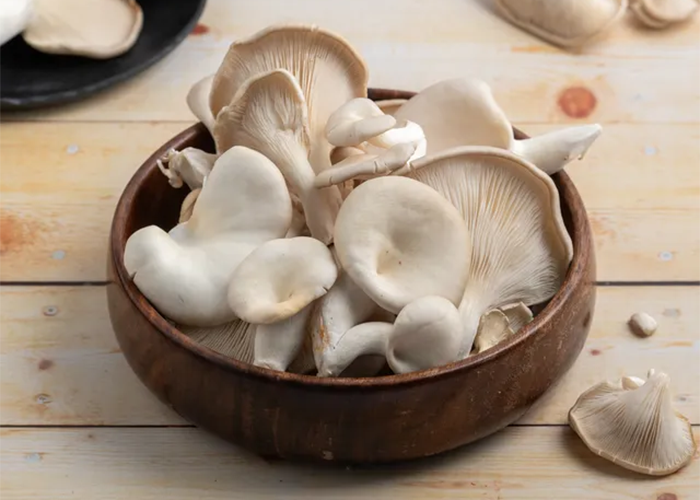
Oyster Mushroom

Nutritious oyster
mushrooms cultivated with
high precision for
consistent yield and
quality.

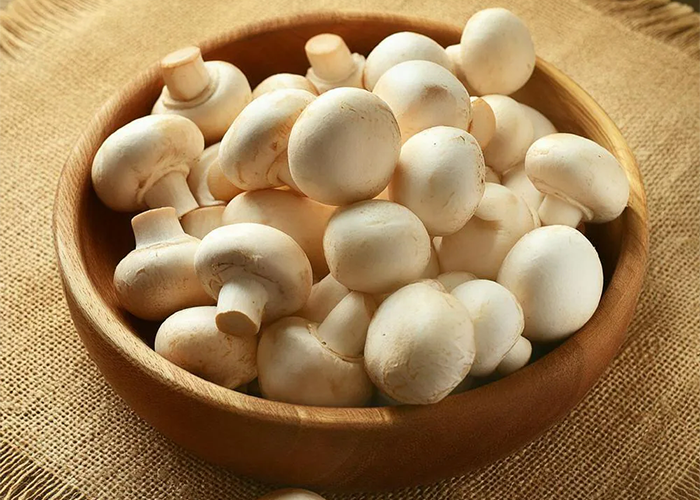
Button mushrooms

Fresh, premium quality
mushrooms grown in
optimal controlled spaces
for superior taste.

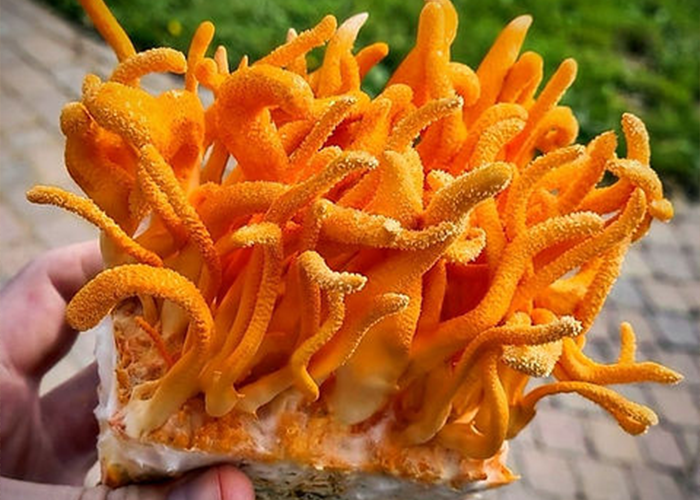
Cordyceps Mushroom

Specialty medicinal
mushrooms grown with
expert care to maintain
purity and potency.

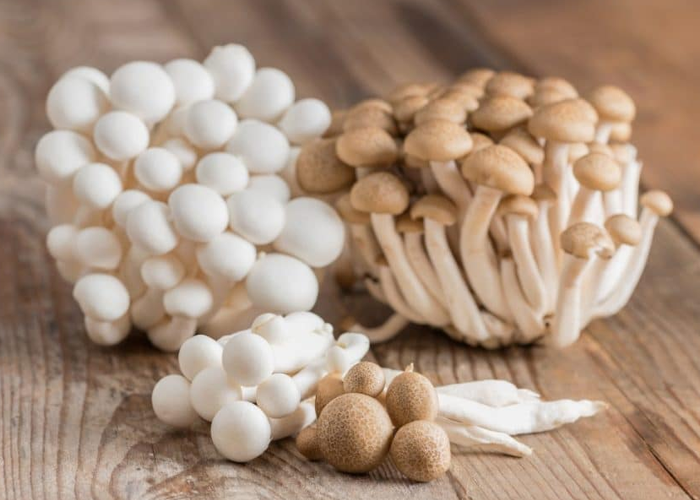
Shimeji Mushroom

 type of edible mushroom, native to East Asia, that grow on decaying beech trees

Exotic Vegetable

Our exotic vegetables are cultivated using hydroponics, vertical farming, and soil-less tech, ensuring consistent flavor, longer shelf life, and clean, chemical-free harvests.

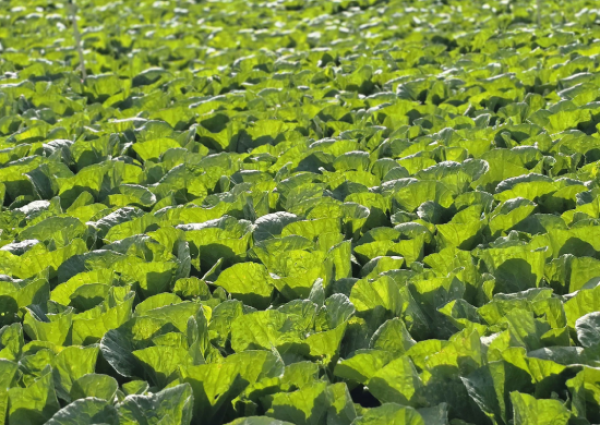
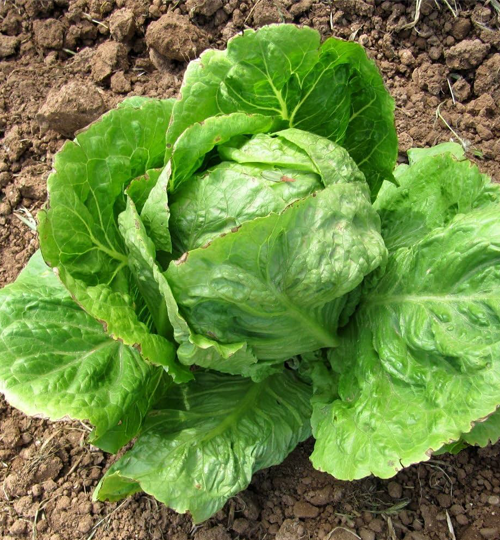
Lettuce

Lettuce is a common leafy green vegetable, a member of the Asteraceae family, mostly known for its use in salads.
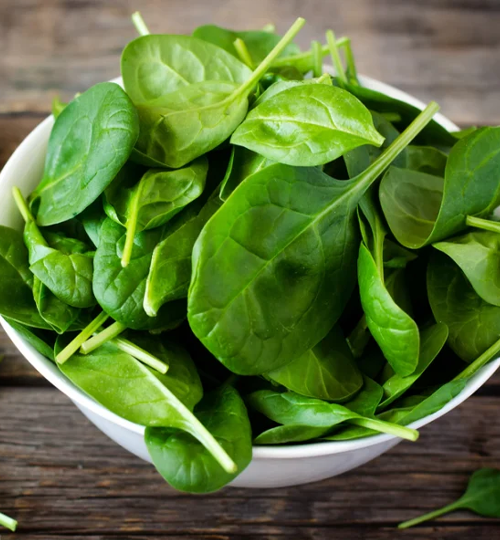
Spinach

Spinach is a nutrient-rich, leafy green vegetable with a mild, slightly earthy flavor.
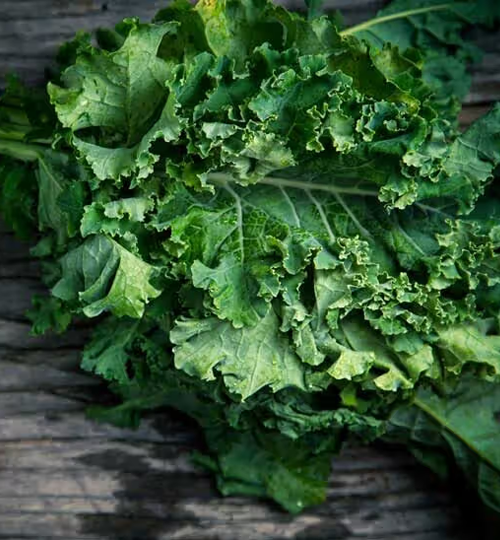
Kale

Kale is a leafy green vegetable belonging to the cabbage family (Brassicaceae).
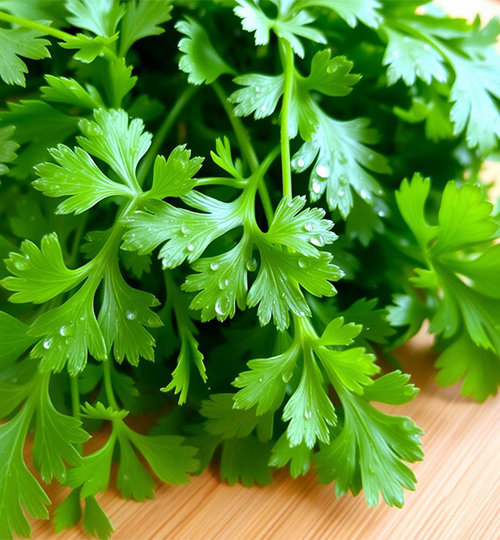
Coriander

Coriander is a rich source of dietary fiber, manganese, iron, and magnesium. Coriander is also a great source of Vitamin K, Vitamin C, and protein.
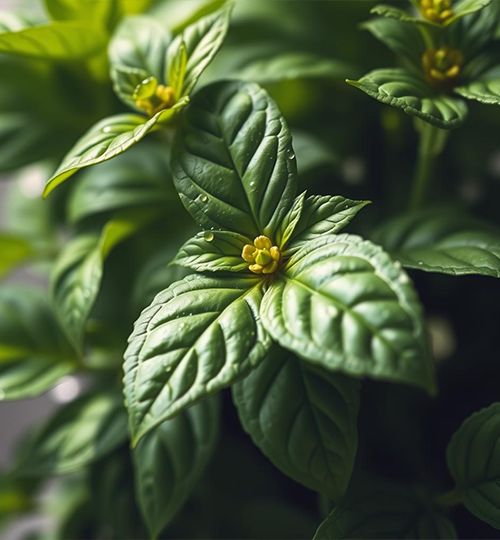
Basil

Basil is commonly known as Tulsi, and also referred to as Holy Basil.
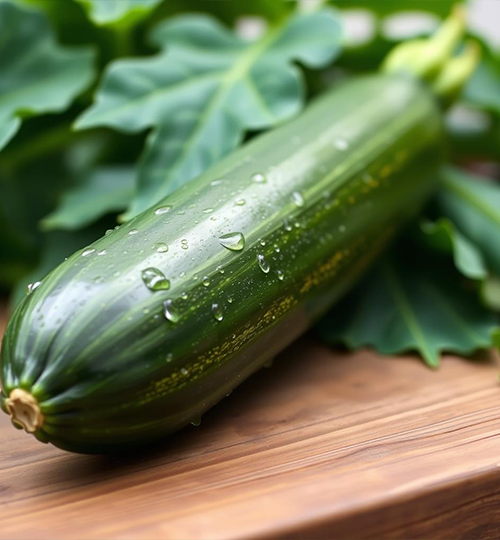
Zucchini

Zucchini is a long, green summer squash often eaten cooked, and is also known as a courgette or baby marrow.
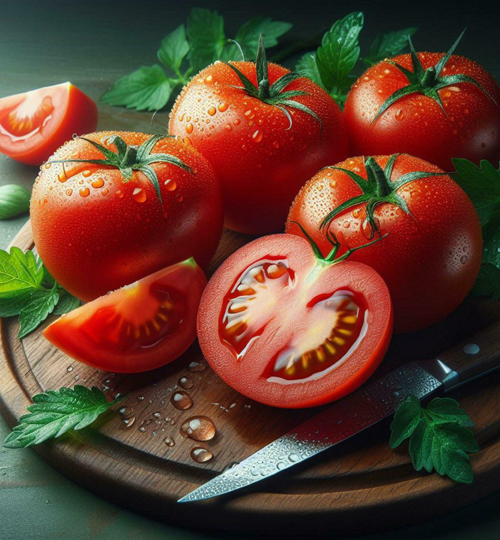
Cherry Tomato

The tomato, Solanum lycopersicum, is a plant whose fruit is an edible berry that is eaten as a vegetable.
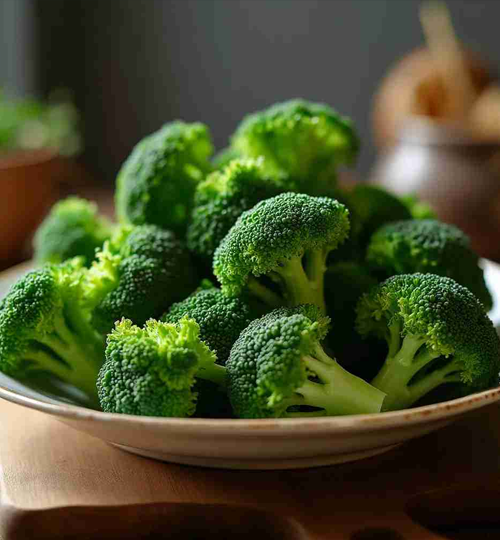
Broccoli

Broccoli is a cruciferous vegetable known for its edible green flower heads, stalks, and leaves.

Redhead Radish

Redhead is a variety of radish, specifically a Dutch variety called Roodkopje, known for its white bulbs with fuchsia crowns.

Essential Oils

Our essential oils are made from organically grown herbs on our regenerative farm. Using steam distillation and cold-pressing, we retain the full aromatic and therapeutic profile of each plant — zero fillers, zero compromise.

Lavender oil

Our lavender oil is a must-have essential oil for anyone seeking stress relief, better sleep, and skin healing.


Lemongrass oil

Lemongrass oil is known for its powerful antibacterial properties and uplifting scent.

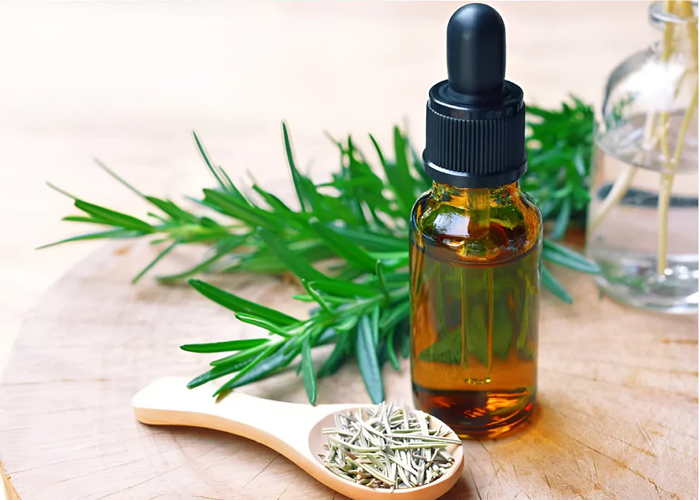
Rosemary oil

Rosemary oil is a  stimulating blood flow, enhancing concentration, and promoting hair growth and scalp health.

Eucalyptus oil

Fresh, minty, relieves congestion, supports breathing. Antibacterial. Use diluted—never ingest.

Visit our farm

Step into the heart of Grainalchemy and witness how we blend nature, science, and sustainability to grow premium mushrooms, exotic vegetables, and therapeutic botanicals.

Frequently Asked Questions

We specialize in Oyster, Shiitake, and Lion’s Mane mushrooms, known for their taste, texture, and medicinal benefits.

Exotic vegetables refer to non-native, high-nutrient vegetables like cherry tomatoes, bell peppers, kale, and zucchini. All grown in a controlled, chemical-free environment.

Yes, our essential oils are 100% pure, steam-distilled, and lab-tested to ensure they’re safe for therapeutic and topical use.

We harvest at peak freshness and store under temperature-controlled conditions to preserve nutritional value and shelf life.

We provide storage instructions with every purchase. Most products can be stored in the refrigerator, while oils should be kept in a cool, dark place.

pp01 (4)
Scroll to Top